Why Dinner Feels Heavier After 60, and 3 Kitchen Habits That Can Help Evenings Feel Lighter
Fullness that lingers, a tight waistband by bedtime, slow mornings. Here is what changes in digestion with age, and three simple habits, from the plate to a warm ginger cup, that many adults use to support everyday comfort.

You finish a normal dinner, nothing unusual, and an hour later you still feel full. The waistband is tighter, the couch looks better than the walk you planned, and the next morning starts slow.
If that sounds familiar, you’re far from alone. Over the years, food tends to move a little more slowly through the digestive tract, many people move less during the day, and medications or a narrower menu can add to it.
The usual responses are to skip dinner, cut out bread, buy another tea or simply accept it. Most of them are hard to keep up, and few of them look at the whole day.

Big plate, late hour? A heavy meal close to bedtime gives your stomach more work just when your body wants to rest. Hours in the chair? Your digestive system responds to movement, too. Few vegetables, little water? The bacteria that live in your gut run on fiber and fluids.
At The Apex Table, we went through the research on everyday kitchen habits and digestion and kept the three that are simple enough to repeat every day, including a warm ginger and honey cup that many readers now use to close the kitchen at night.
If you often feel full long after eating, bloated by evening or heavy when you wake up…
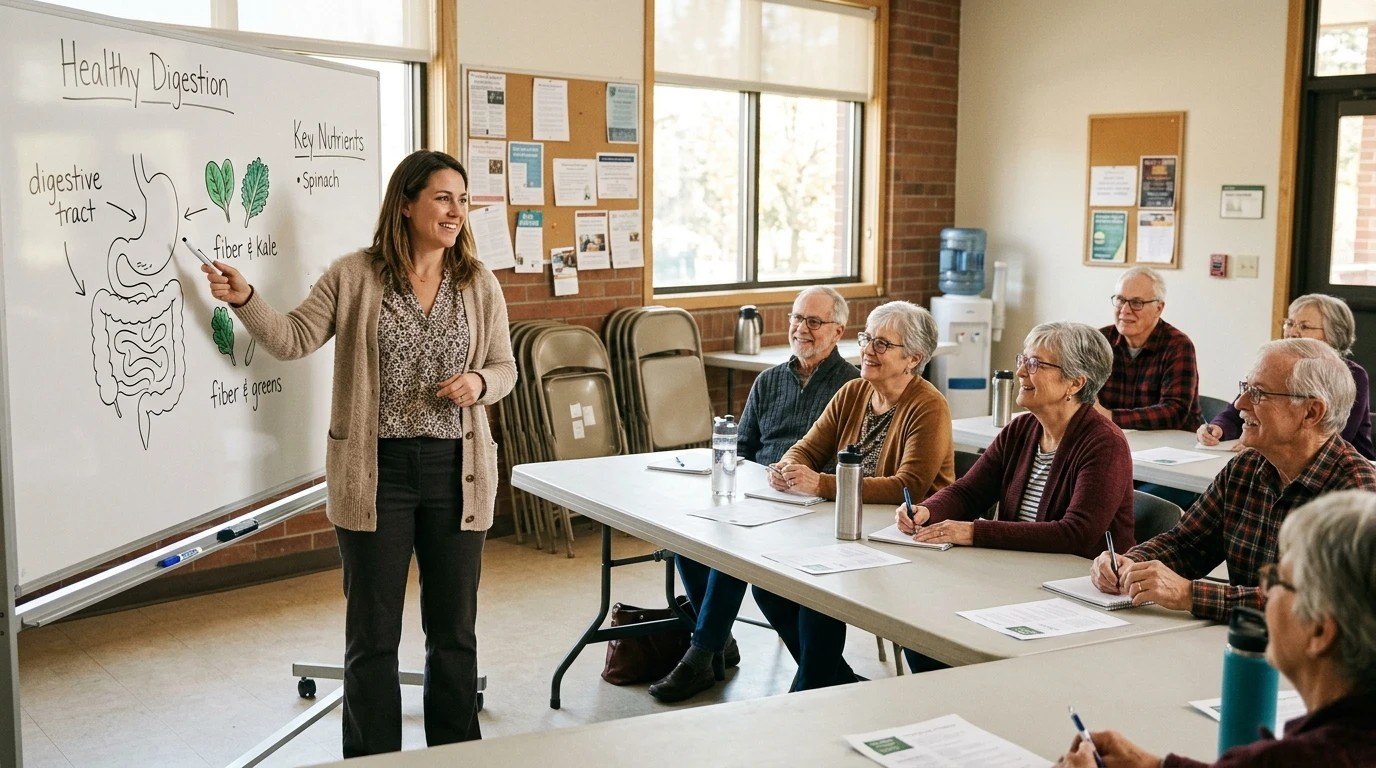
Habit 1: Put Fiber and Fermented Foods on Every Plate
The trillions of microbes in your gut break down the fiber your own body can’t digest. They do best with a steady, varied supply of it, and the easiest place to start is your plate.
A practical rule is to add before you take away: a spoon of beans in the soup, oats at breakfast, a piece of fruit with lunch, and a fermented food such as plain yogurt, kefir or sauerkraut a few times a week. Go slowly with fiber so your body can adjust, and drink water through the day. In a 10-week Stanford study, adults who ate more fermented foods ended up with a wider variety of gut bacteria. A short food-and-comfort diary also helps you spot patterns and share them with your doctor.
Habit 2: Give Yourself 10 Minutes on Your Feet After Eating
Sitting down right after a meal is tempting, but light movement helps your digestive system, too. In a small study of healthy adults, an easy walk after eating helped food leave the stomach sooner than resting did.
It doesn’t need to be a workout: a lap around the block, a slow walk on the porch, washing the dishes standing up. Pair it with a smaller evening plate, slower chewing and a dinner that ends two to three hours before bed, and evenings tend to feel lighter.
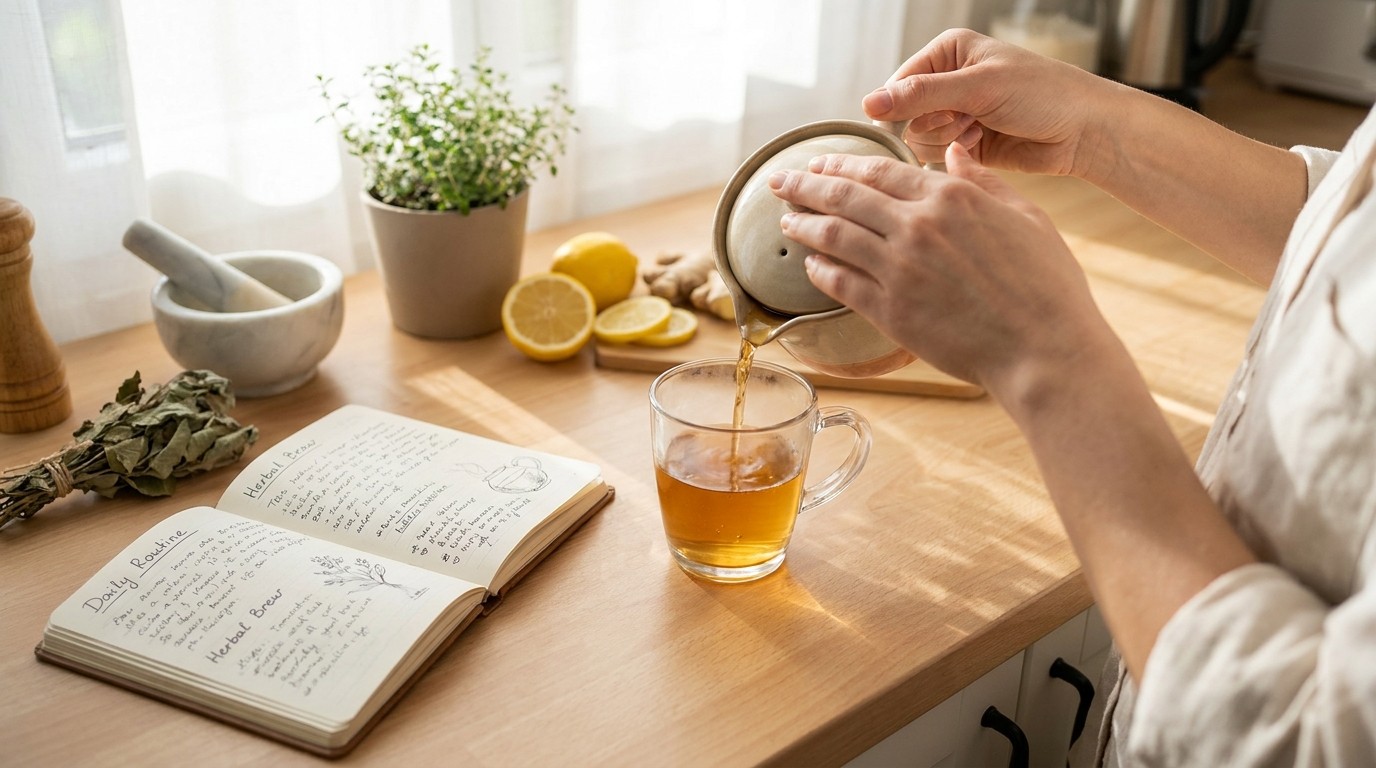
Habit 3: Close the Kitchen with a Warm Ginger & Honey Cup
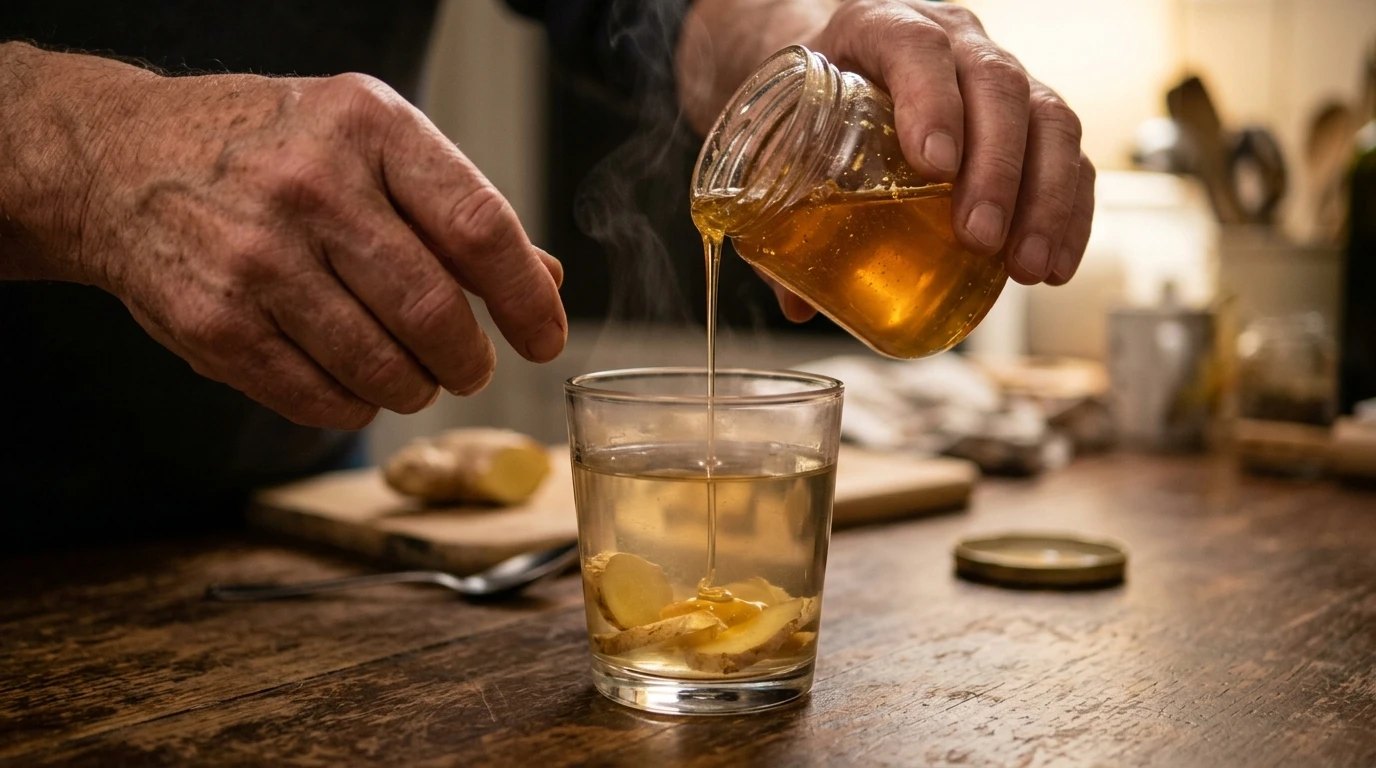
Instead of a late snack, many readers now end the day with the same small ritual: fresh ginger slices steeped in hot water for a few minutes, a light drizzle of honey, and a few quiet minutes at the table.
Ginger is one of the oldest kitchen remedies for an unsettled stomach, and in a study of healthy adults it was linked to faster stomach emptying after a meal. Honey contains small carbohydrates called oligosaccharides that lab studies have looked at as possible food for beneficial gut bacteria, an early but interesting line of research. Above all, the cup becomes a clear signal that the kitchen is closed for the night.
Still, a cup of tea at night is only one piece of the day. A detailed report explains why kitchen rituals mostly change how your evenings feel, and looks at the simple daily step many adults over 60 add alongside them.
Please note: honey counts as sugar. If you have diabetes or are watching your blood sugar, include it in your daily carbohydrates or leave it out, and ask your doctor what fits your plan. Ginger can interact with blood-thinning medication. Never give honey to infants under 12 months. If you have a medical condition or take medication, talk to your doctor before changing your routine.
More Ideas from Our Kitchen
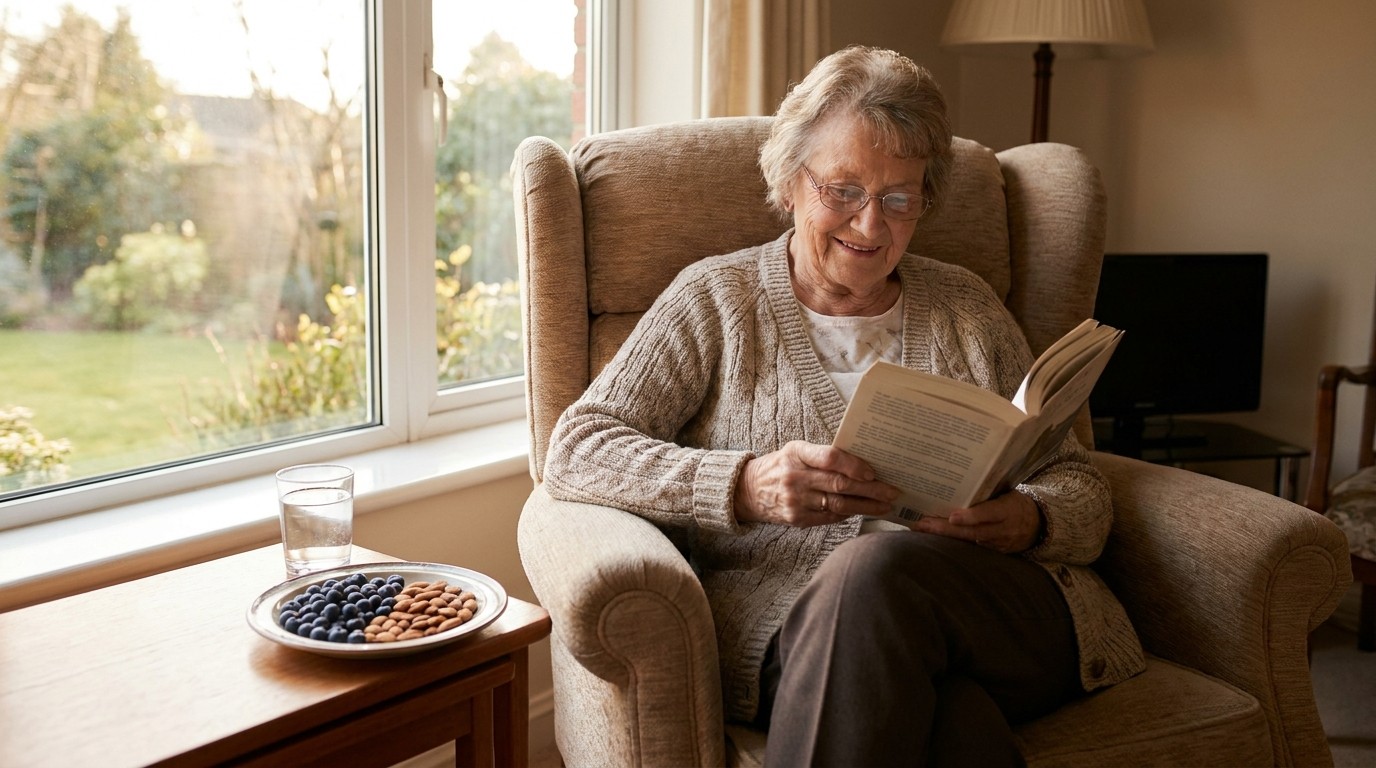
A handful of blueberries, a few almonds and a glass of water: an easy way to add fiber between meals.
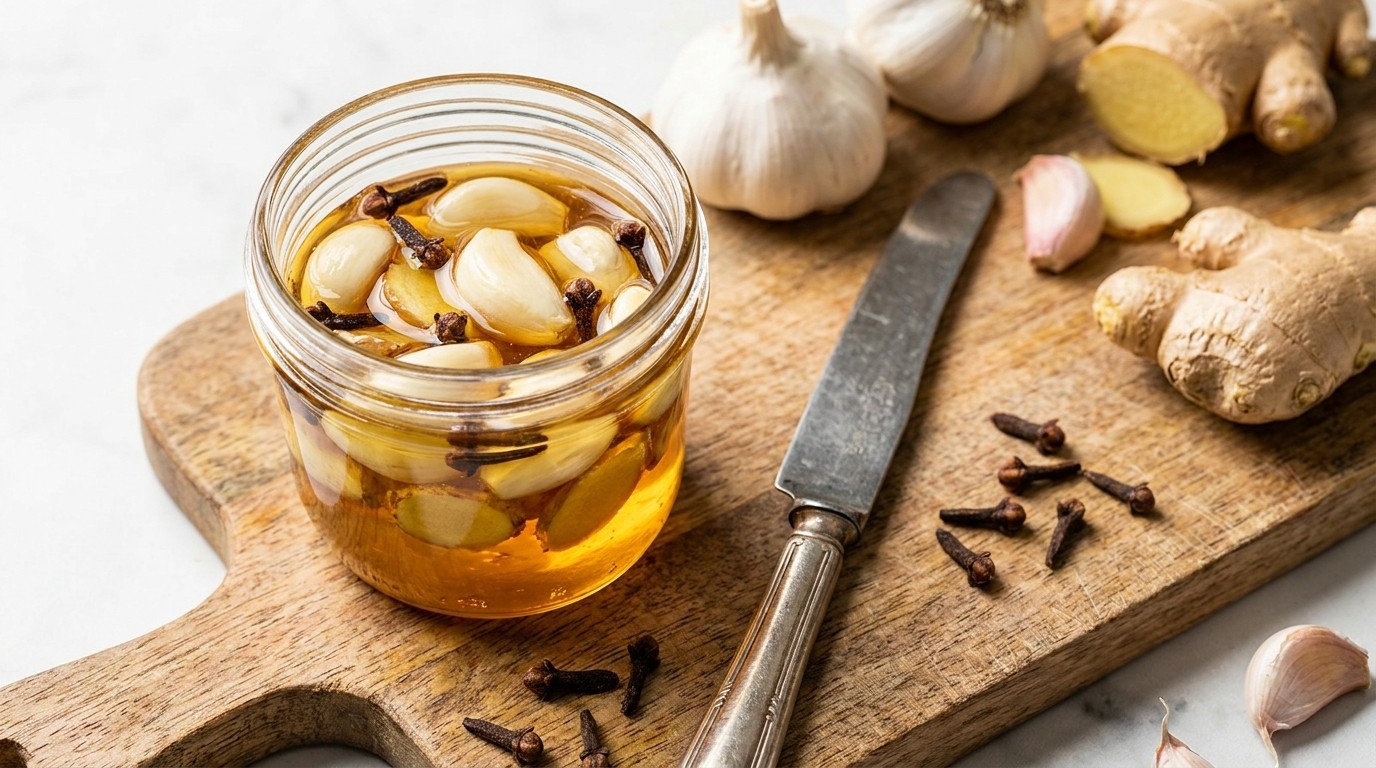
A traditional kitchen prep. Garlic is naturally rich in a type of prebiotic fiber.

A homemade fermented drink. Fermented foods are one of the habits covered in the report.
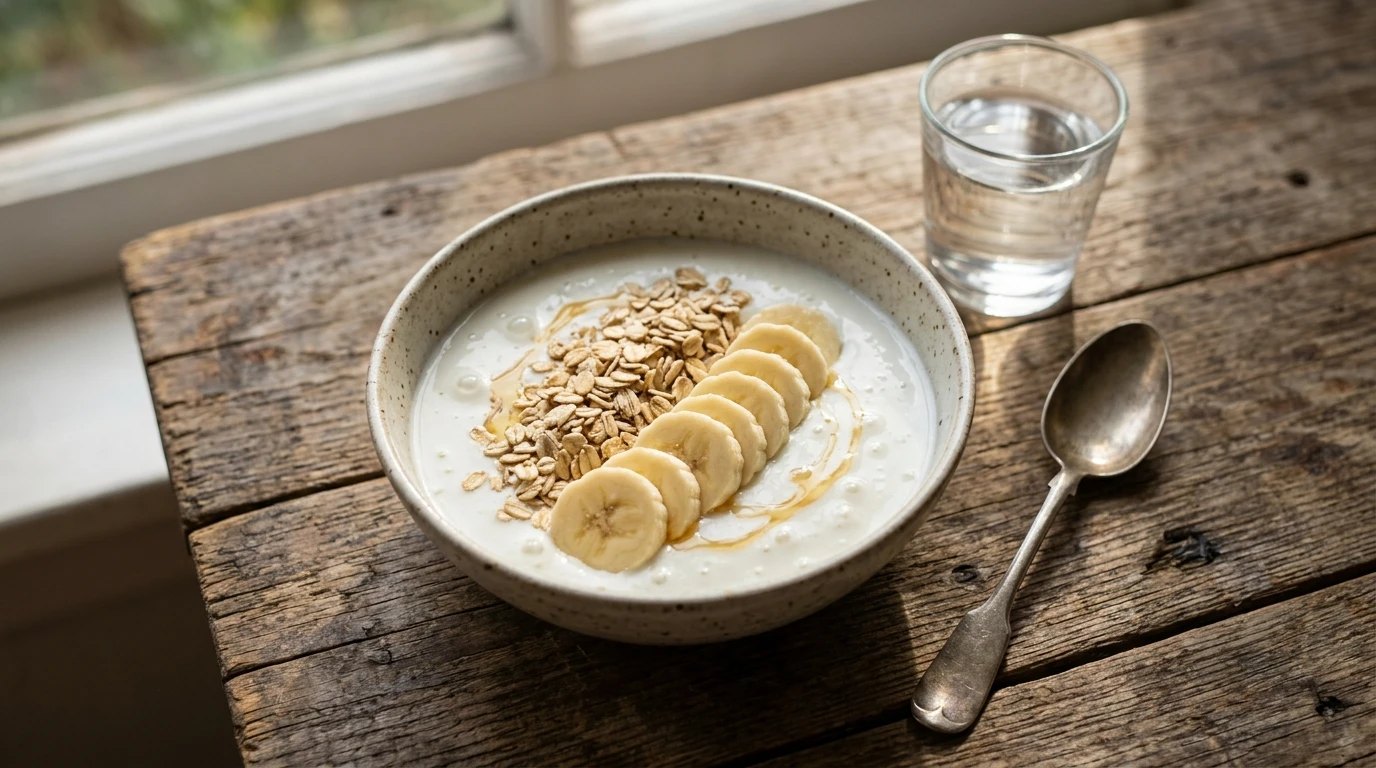
Kefir, oats, banana and a light drizzle of honey to start the day with fiber and a fermented food.
Common Questions
Can these habits treat a digestive condition?
No. They are everyday habits that may support digestive comfort. They do not diagnose or treat any condition and don’t replace medical care. If you have new or lasting symptoms, or pain, blood in the stool or unexplained weight loss, see your doctor.
Is honey okay if I’m watching my blood sugar?
Honey is sugar, so count it in your daily carbohydrates and ask your doctor what works for your plan. The ginger cup is just as warm and soothing without it.
How long should I walk after dinner?
Ten minutes of easy walking is a good start. Choose a comfortable pace, and check with your doctor first if you have heart, joint or balance concerns.
Which fermented foods are easiest to start with?
Plain yogurt and kefir are simple places to start. Sauerkraut and kimchi are options too, but some brands are high in salt, so check the label if you watch your sodium.
When might I notice a difference?
Everyone is different and no result is guaranteed. Most people need a few weeks of steady habits before they can tell how their digestion responds.
What product does the report talk about?
The report features Integrative Digestive Formula, a dietary supplement from Advanced Bionutritionals. According to the brand, it combines herbs, spices, medicinal mushrooms, zinc, chromium and digestive enzymes to support digestion. It is not a treatment for any condition. If you take medication or have a medical condition, check with your doctor before using any supplement.
Who is behind this page?
The Apex Table is an independent publication. The publisher’s legal name, CNPJ and address are listed in our Terms of Service and Privacy Policy. You can reach us at [email protected].
Sources
- National Institute of Diabetes and Digestive and Kidney Diseases, National Institutes of Health. "Your Digestive System & How It Works." niddk.nih.gov
- Wastyk HC, Fragiadakis GK, Perelman D, et al. "Gut-microbiota-targeted diets modulate human immune status." Cell. 2021;184(16):4137–4153.
- Franke A, Harder H, Orth AK, Zitzmann S, Singer MV. "Postprandial walking but not consumption of alcoholic digestifs or espresso accelerates gastric emptying in healthy volunteers." Journal of Gastrointestinal and Liver Diseases. 2008;17(1):27–31.
- Wu KL, Rayner CK, Chuah SK, et al. "Effects of ginger on gastric emptying and motility in healthy humans." European Journal of Gastroenterology & Hepatology. 2008;20(5):436–440.
- Sanz ML, Polemis N, Morales V, et al. "In vitro investigation into the potential prebiotic activity of honey oligosaccharides." Journal of Agricultural and Food Chemistry. 2005;53(8):2914–2921.
Compliance & Advertising Disclosures
FDA Compliance: The statements and information on this site have not been evaluated by the Food and Drug Administration. This product and content are not intended to diagnose, treat, cure, or prevent any disease. Information is shared for educational and informational purposes only. Always consult your physician or a qualified healthcare professional before starting any diet, supplement, or exercise routine.
Results May Vary: Individual results will vary depending on health status, lifestyle and consistency. Any photos of people on this site feature models. The ginger and honey cup described here is a comfort habit, not a treatment, and is not part of the product featured on this site.
Advertorial Disclosure: This website is an educational advertorial operated by The Apex Table (publisher details in our Terms of Service). It promotes Integrative Digestive Formula, made by Advanced Bionutritionals, LLC and sold through Digistore24. It is a promotional publication and is not affiliated with any news organization or with Advanced Bionutritionals.